
What Are Fansqingers?
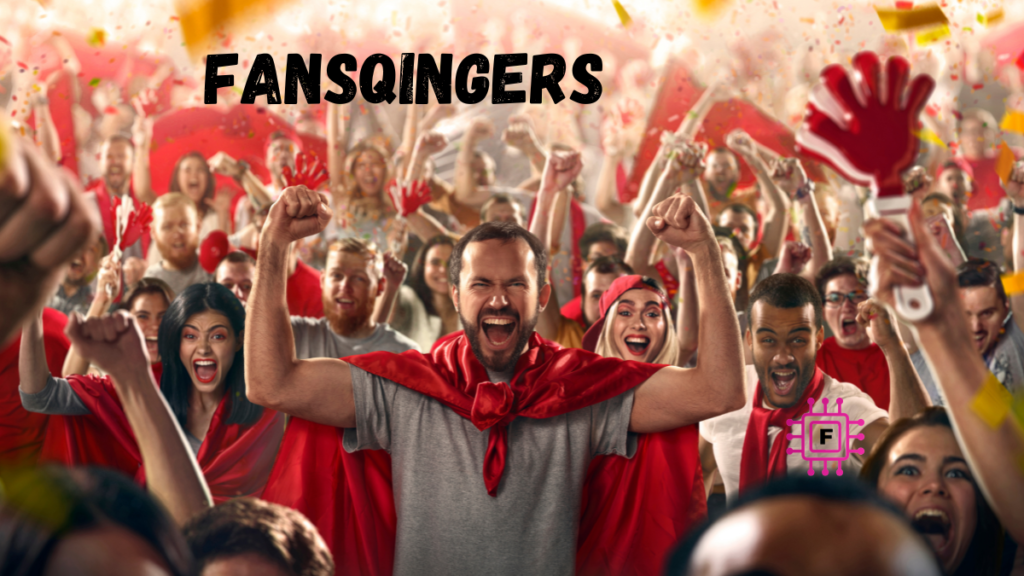
The term “fansqingers” represents a distinctive evolution in the landscape of fandom engagement, characterized by a dynamic and vibrant community of individuals who not only appreciate their favorite media but also actively participate in its expansion and reinterpretation. At its essence, fansqingers combine elements of traditional fandom with a new level of interaction and creativity, setting them apart from more passive followers.
Unlike conventional fans who may simply consume content or express their admiration through social media posts, fansqingers engage in various creative activities that enhance the experience for themselves and others. This can include activities such as fan fiction writing, artwork creation, and the organization of community events that celebrate their chosen media. The term itself appears to originate from the fusion of the words “fan” and “singers,” suggesting a performance aspect in how these individuals express their devotion and skills.
The behaviors exhibited by fansqingers often reflect a unique blend of camaraderie and competition within fandoms, as they seek to showcase their talents and creativity. By participating in collaborative projects or competitions, they amplify their contributions in meaningful ways. The digital realm plays a crucial role in this phenomenon, allowing fansqingers to share their creations with broader audiences while forging connections with like-minded individuals around the globe.
This level of active participation marks a significant departure from traditional fandom, where engagement was primarily limited to following and responding to a creator’s original work. In contrast, fansqingers redefine their relationship with the content they cherish by making it their own, creating an inclusive environment that encourages collaboration and shared joy. Through these unique characteristics, fansqingers not only enrich their own experiences but also transform the way fandom operates in contemporary culture.
The Impact of Fansqingers on the Entertainment Industry
The emergence of fansqingers has significantly transformed the landscape of the entertainment industry, altering how creators engage with audiences and how content is produced and marketed. This evolving dynamic illustrates the power of fan-driven movements and the growing importance of community in shaping media properties.
One prominent example is the increase in user-generated content that fansqingers promote. Platforms like TikTok and YouTube have become hotspots for fans to create videos, art, and other media inspired by their favorite shows, movies, or music. These contributions serve not only as a form of tribute but also as a promotional tool. Creators leveraging fan-generated content can reach new audiences and often experience enhanced engagement with their material. Consequently, original creators are prompted to consider fan input during their development processes, thereby fostering a more participatory environment.
Additionally, marketing strategies have also evolved due to fansqingers’ influence. Traditional methods of advertising are increasingly supplemented or replaced by campaigns that harness fan enthusiasm. Brands frequently collaborate with influential fans and utilize viral trends emanating from fan communities to amplify their reach. This synergy benefits both promotional efforts and the organic growth of content visibility, enhancing brand loyalty and audience investment.
The relationship between creators and fans also reflects a shift towards collaboration. Fansqingers establish a rapport with the creators they admire, often providing feedback, critiques, and support that can guide future projects. This cooperative interaction not only enhances content quality but also enriches the community’s engagement with the material, creating a cycle where artists and fans support and uplift one another.
As the impact of fansqingers continues to unfold, it is clear that their role within the entertainment industry is pivotal. They not only enhance content creation and marketing strategies but also redefine the creator-fan relationship in profound ways.
Community Building Among Fansqingers
In contemporary digital culture, fansqingers play a pivotal role in cultivating vibrant communities around shared interests in entertainment, such as music, films, and literature. These communities often emerge on various online platforms, including social media, forums, and dedicated fan sites, allowing individuals to connect over their unique passions. At the heart of these interactions is the desire to forge meaningful relationships with others who share similar enthusiasms.
Fansqingers typically find themselves drawn together through common fandoms, enabling them to discuss their favorite artists, top films, or beloved book series. By sharing content, including fan art, reviews, or recommendations, fansqingers not only express their creativity but also create a sense of belonging. This communal aspect fosters an environment where individuals are encouraged to contribute, whether through discussions, organizing fan events, or creating collaborative projects.
Moreover, these communities support members during both celebratory moments, such as the release of a new album or film, and challenging times, such as the cancellation of a beloved show. Fansqingers often organize online watch parties or virtual meet-ups, helping to maintain a sense of connection even when physical gatherings are not feasible. Such initiatives serve to strengthen the bonds within the community and validate each member’s interests and experiences.
Additionally, fansqingers actively offer support networks where individuals can share personal stories or seek advice related to their interests. This dynamic can lead to lifelong friendships that extend beyond the confines of fandom, demonstrating how these communities facilitate not only entertainment-driven interactions but also foster emotional connections. Ultimately, the social dynamics inherent in fansqinger communities highlight the importance of shared experiences and the collective passion for the entertainment that unites them.
Future Trends: The Evolution of Fansqingers
As we look towards the future of fandom engagement, the evolution of fansqingers is poised to undergo significant transformations, driven by technological advancements and shifting cultural dynamics. The rise of digital platforms has already reshaped how fans connect with content creators and fellow enthusiasts, and this trend is expected to accelerate in the coming years. Fansqingers will increasingly leverage these platforms to cultivate closer relationships with their preferred media, whether through direct interactions with artists or active participation in co-creation.
One of the most notable trends lies in the integration of artificial intelligence and virtual reality into the fansqingers landscape. The use of AI algorithms can help personalize content recommendations and actively engage fans by delivering tailored experiences. This technology will not only cater to personal preferences but also foster diverse fan experiences that go beyond traditional consumption. Likewise, virtual reality environments hold the potential to create immersive experiences, allowing fans to step into their favorite narratives and form deeper emotional connections with the storylines and characters.
In addition to technological advancements, societal changes and cultural shifts will also inform the evolution of fansqingers. The increasing emphasis on inclusivity and representation in media will prompt fans to seek out content that reflects their identities and values. This push for diversity will encourage fansqingers to curate and promote works that resonate with various communities, further expanding the fandom landscape.
Ultimately, as trends evolve, fansqingers will likely adopt more varied and dynamic forms of engagement. Collaborative projects, decentralized fan initiatives, and communal activities will redefine what it means to be a fan. In this context, the ability of fansqingers to adapt and innovate will be crucial, ensuring that they remain at the forefront of fandom engagement as the digital sphere and cultural climates continue to evolve.